

Even careful drivers can be involved in an accident. Repairing a damaged vehicle can be expensive, which is why many people choose collision insurance.
Collision insurance helps pay for damage to your own vehicle after a covered accident. It can reduce your out of pocket costs and help you get back on the road sooner.
What Is Collision Insurance?
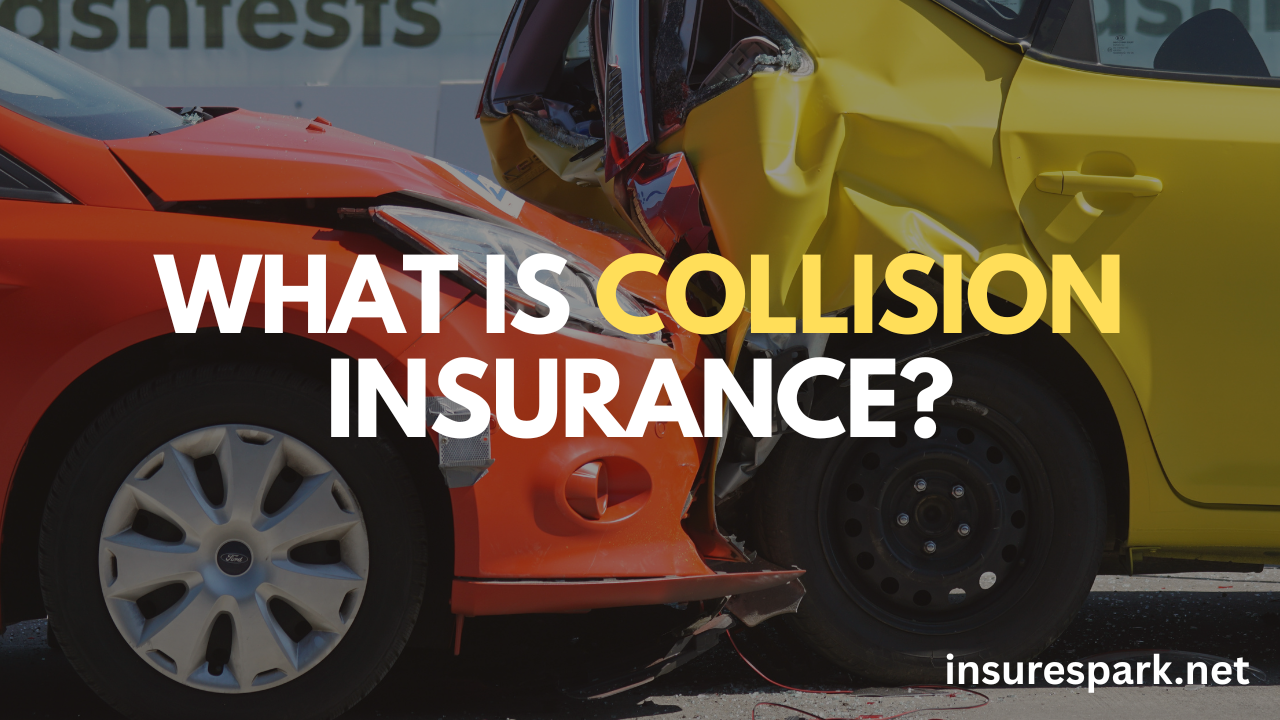
Collision insurance is optional auto insurance coverage that helps pay to repair or replace your vehicle if it is damaged in a covered collision.
Unlike liability insurance, which pays for damage or injuries you cause to others, collision insurance helps cover damage to your own vehicle.
It is commonly included as part of a full coverage auto insurance policy.
What Does Collision Insurance Cover?
Collision insurance may help cover damage if your vehicle is involved in a covered accident, such as:
- Hitting another vehicle.
- Hitting a tree, pole, or fence.
- Sliding into a guardrail.
- Rolling your vehicle.
- Damage from a single vehicle accident.
Coverage depends on the terms and limits of your insurance policy.
What Does Collision Insurance Not Cover?
Collision insurance does not cover every type of loss.
In most cases, it does not cover:
- Theft.
- Fire.
- Flood damage.
- Hail damage.
- Vandalism.
- Falling trees or branches.
- Mechanical breakdowns.
- Normal wear and tear.
These types of losses are often covered under comprehensive insurance, if your policy includes it.
How Does Collision Insurance Work?
If your vehicle is damaged in a covered collision, you can file a claim with your insurance company.
After reviewing the claim, the insurance company may pay for covered repairs or, if the vehicle is declared a total loss, pay its value according to your policy.
Your deductible usually applies before the insurance company pays a covered claim.
Does Collision Insurance Have a Deductible?
Yes.
Most collision insurance policies include a deductible.
For example:
- Repair cost: $4,000
- Deductible: $500
You pay the first $500, and the insurance company may pay the remaining covered amount, based on your policy terms.
Choosing a higher deductible often lowers your insurance premium, while a lower deductible usually increases it.
Is Collision Insurance Required?
Collision insurance is generally not required by state law.
However, if your vehicle is financed or leased, your lender may require you to carry collision coverage until the loan or lease is paid off.
Requirements vary by lender.
Is Collision Insurance Worth It?
It depends on your vehicle and your financial situation.
Collision insurance may be worth considering if:
- Your vehicle is new or has a high market value.
- You could not easily afford major repair costs.
- Your vehicle is financed or leased.
- You want extra financial protection after an accident.
If your vehicle is older and worth only a small amount, paying for collision coverage may not always make financial sense.
Collision Insurance vs Comprehensive Insurance
These two coverages protect your own vehicle, but they cover different types of damage.
Collision Insurance
Covers damage caused by a collision with another vehicle or object.
Comprehensive Insurance
Covers damage from non collision events, such as theft, fire, hail, vandalism, flooding, or falling objects.
Many drivers choose both coverages for broader protection.
Frequently Asked Questions
Does collision insurance cover hitting another car?
Yes.
If the damage to your own vehicle is covered by your policy, collision insurance may help pay for repairs after your deductible.
Does collision insurance cover single vehicle accidents?
Yes.
Collision coverage often applies if you hit a tree, pole, guardrail, or another object.
Does collision insurance cover engine problems?
No.
Mechanical failures and routine maintenance are generally not covered by collision insurance.
Can I have collision insurance without comprehensive insurance?
In many cases, yes.
Insurance companies may allow you to purchase collision coverage without comprehensive coverage, depending on the policy.
Key Takeaways
Collision insurance helps pay for damage to your own vehicle after a covered accident, regardless of who caused the collision, subject to your policy terms. While it does not cover theft, weather damage, or mechanical problems, it can provide valuable financial protection if your vehicle is damaged in a crash. Before adding collision coverage, consider your vehicle’s value, your deductible, and your budget.