

If you have health insurance, you may have seen the word coinsurance in your policy. It is a common insurance term, but many people are not sure what it means.
Coinsurance is simply the percentage of covered medical costs that you pay after you have met your deductible. The insurance company pays the remaining percentage.
Understanding how coinsurance works can help you avoid unexpected medical bills and better understand your insurance coverage.
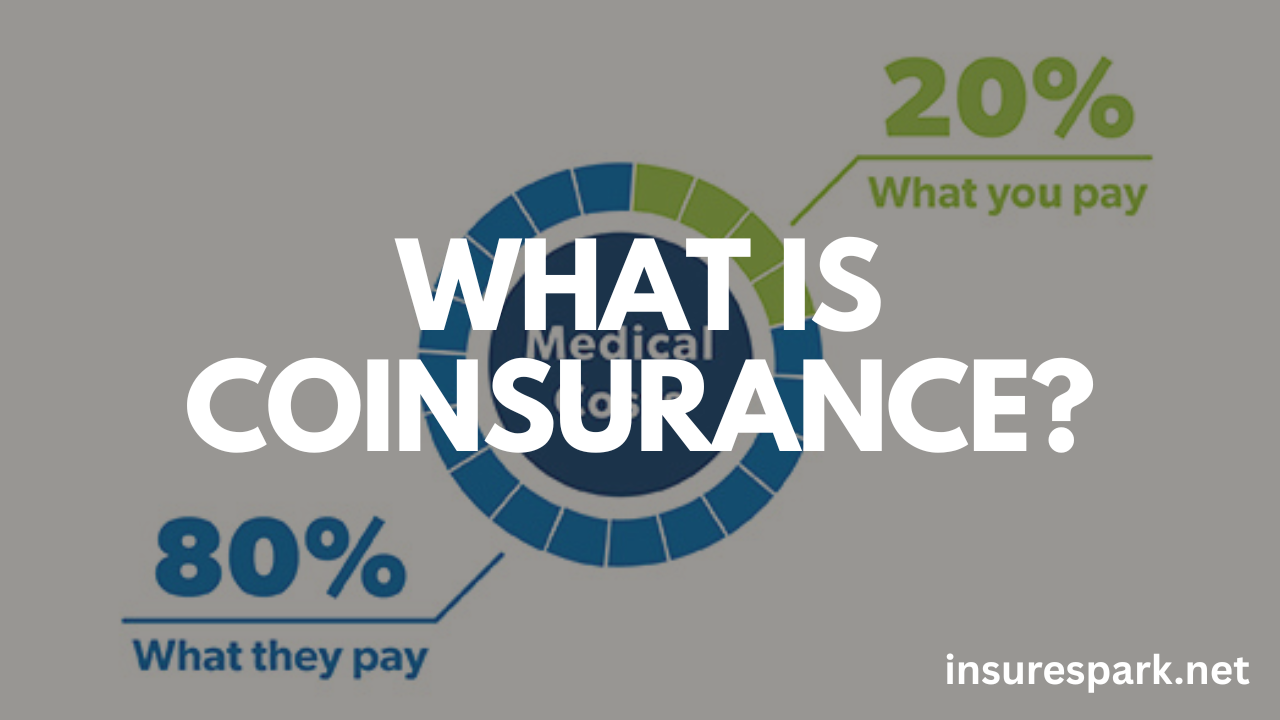
What Is Coinsurance?
Coinsurance is the share of a covered medical expense that you pay after meeting your deductible.
It is usually shown as a percentage, such as:
- 20%
- 30%
- 10%
The insurance company pays the rest of the covered cost.
For example, an 80/20 plan means:
- The insurance company pays 80% of covered medical costs.
- You pay the remaining 20%.
How Does Coinsurance Work?
Let’s look at a simple example.
Suppose you have:
- A deductible of $1,000
- An 80/20 coinsurance plan
- A covered medical bill of $5,000
After you have already paid your deductible:
- The insurance company pays 80% ($4,000)
- You pay 20% ($1,000)
This is how coinsurance works for covered services.
Do You Pay Coinsurance Before the Deductible?
No.
In most health insurance plans, you must first meet your deductible.
After that, coinsurance applies to covered medical expenses until you reach your policy’s out of pocket maximum.
The exact rules depend on your insurance policy.
Coinsurance vs Deductible
People often confuse these two terms, but they are different.
Deductible
- A fixed amount you pay before your insurance starts sharing covered costs.
Coinsurance
- A percentage of the covered costs that you pay after meeting your deductible.
Both may apply to the same medical claim.
Coinsurance vs Copay
A copay is different from coinsurance.
A copay is usually a fixed amount you pay for certain medical services, such as a doctor’s visit or prescription.
Coinsurance is a percentage of the covered cost instead of a fixed dollar amount.
Depending on your health insurance plan, you may have a copay, coinsurance, or both.
Does Every Insurance Policy Have Coinsurance?
No.
Coinsurance is most common in health insurance.
Some property insurance policies may also use the term coinsurance, but it has a different meaning. Always check your policy to understand how it applies to your coverage.
Can Coinsurance Change?
Yes.
Different insurance plans have different coinsurance percentages.
For example:
- 90/10 plan
- 80/20 plan
- 70/30 plan
A plan with a lower coinsurance percentage for you often has a higher insurance premium.
How Can You Lower Your Coinsurance Costs?
While you cannot always avoid coinsurance, these tips may help reduce your costs:
- Choose healthcare providers that are in your insurance network.
- Understand your policy before receiving treatment.
- Compare health insurance plans during enrollment.
- Keep track of your deductible and out of pocket maximum.
Knowing your benefits ahead of time can help prevent unexpected expenses.
Frequently Asked Questions
Is coinsurance the same as a deductible?
No.
A deductible is the amount you pay before your insurance starts sharing costs. Coinsurance is the percentage you pay after meeting your deductible.
Do I always have to pay coinsurance?
Not always.
Some services may only require a copay, while others may not require coinsurance at all. It depends on your insurance policy.
Does coinsurance end?
Yes.
Many health insurance plans have an out of pocket maximum. After you reach that limit, your insurance company may pay 100% of covered services for the rest of the policy period.
Is lower coinsurance better?
A lower coinsurance percentage usually means you pay less when receiving covered medical care. However, these plans may have higher monthly premiums.
Key Takeaways
Coinsurance is the percentage of covered medical costs that you pay after meeting your deductible. Your insurance company pays the remaining amount based on your policy. Understanding coinsurance, along with your deductible and premium, can help you better manage your healthcare expenses and choose the right insurance plan.